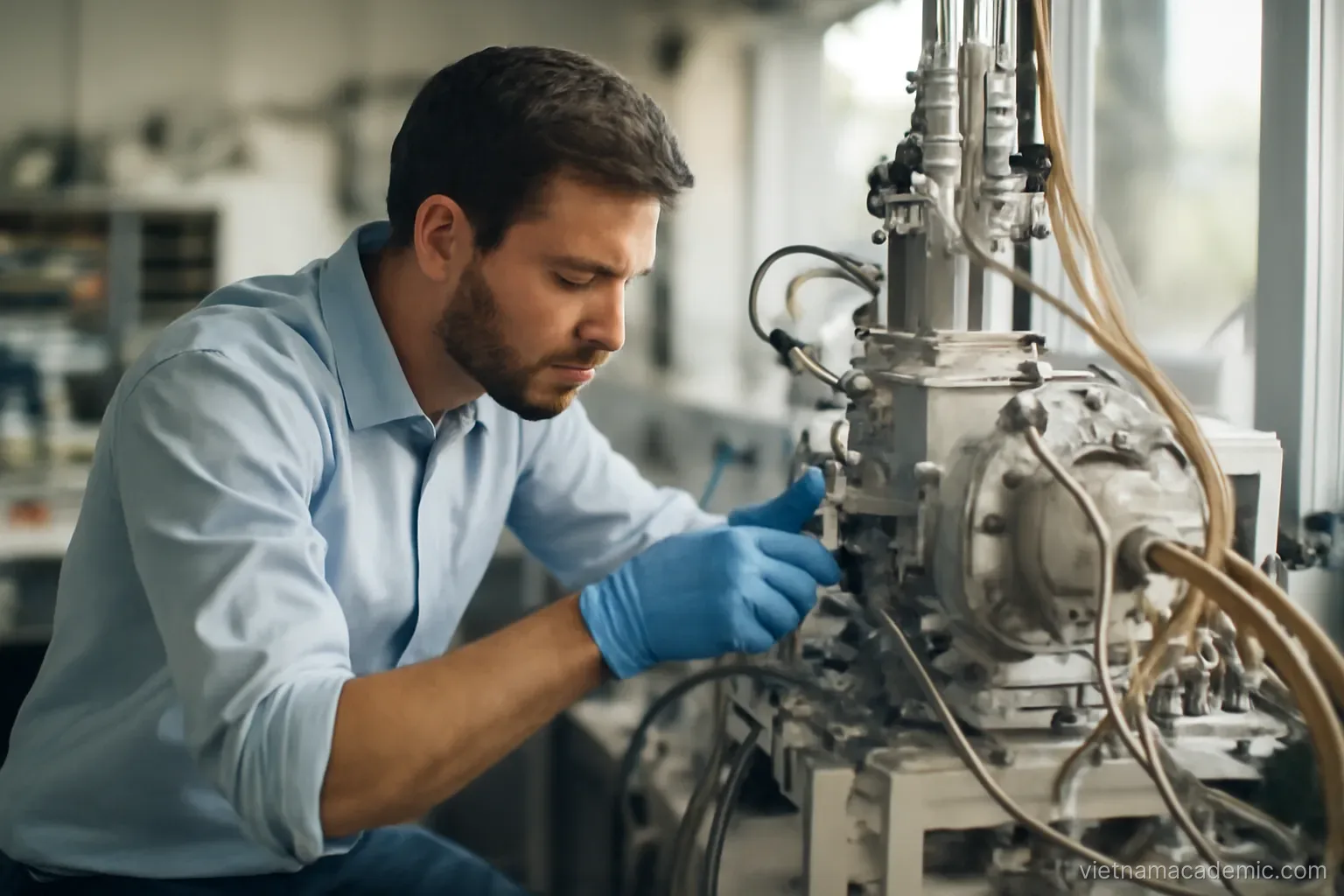
Research infrastructure is typically funded for acquisition and rarely for the decades of operation that follow.
Which is why so much of it works well for two years and then quietly stops being usable.
The costs after purchase
- Maintenance and repair.
- Consumables and running costs.
- Trained staff to operate it — frequently the binding constraint.
- Software licences and updates.
- Eventual replacement.
- These commonly exceed the purchase cost over a facility's life.
Why infrastructure fails
- No operating budget after the acquisition grant.
- The one trained operator leaves.
- No maintenance contract, and no local repair capability.
- No plan for who may use it and how access is managed.
- Technology chosen for capability rather than supportability.
Planning before acquiring
- Who will operate it, and what happens when they leave?
- Where does the operating budget come from?
- Who may use it, and how is access decided?
- What is the maintenance arrangement and is support available locally?
- Is there a simpler option that is easier to sustain?
- These questions matter more than specification.
Sharing
- Shared facilities are used more and justify staffing better.
- Establish access rules before opening access.
- Charge appropriately to cover running costs.
- Regional sharing works where duplication is unaffordable.
- A shared facility with a full-time operator beats three underused ones.
People are infrastructure
- Technical staff are the constraint more often than equipment.
- Their expertise takes years to build and leaves with them.
- Ensure more than one person can operate anything critical.
- Provide career paths, or you lose them.
- This is the most consistently underfunded component of research infrastructure.
Digital infrastructure
- The same rules apply — funded to build, not to run.
- Needs an institutional owner, not a project team.
- Needs documentation sufficient for handover.
- Needs a plan for what happens if it stops.
- Digital infrastructure fails through neglect more often than through technical failure.
One thing worth remembering
Before acquiring anything, answer: who operates this, and what happens when they leave?
Equipment without a trained operator is not infrastructure. It is an asset gathering dust in a room — and that is the most common outcome of infrastructure funding that stops at purchase.
Câu hỏi thường gặp
What costs follow acquisition?
Maintenance and repair, consumables and running costs, trained staff to operate it, software licences, and eventual replacement — commonly exceeding purchase cost over a facility's life.
Why does infrastructure fail?
No operating budget after the acquisition grant, the one trained operator leaving, no maintenance contract or local repair capability, no access plan, and technology chosen for capability over supportability.
What should be planned before acquiring?
Who will operate it and what happens when they leave, where the operating budget comes from, who may use it, the maintenance arrangement, and whether a simpler sustainable option exists.
Why are people infrastructure?
Because technical staff are the constraint more often than equipment, their expertise takes years to build and leaves with them, and it is the most consistently underfunded component.
Which question should precede any acquisition?
Who operates this and what happens when they leave — equipment without a trained operator is an asset gathering dust rather than infrastructure.